Article · 18 February 2022
Integrated wildfire management in the wildland-urban interface: the case study of the municipalities of Riba-roja de Túria and Paterna
How GUARDIAN applies integrated fire management in Riba-roja de Túria and Paterna, with green firebreaks irrigated with reclaimed water.
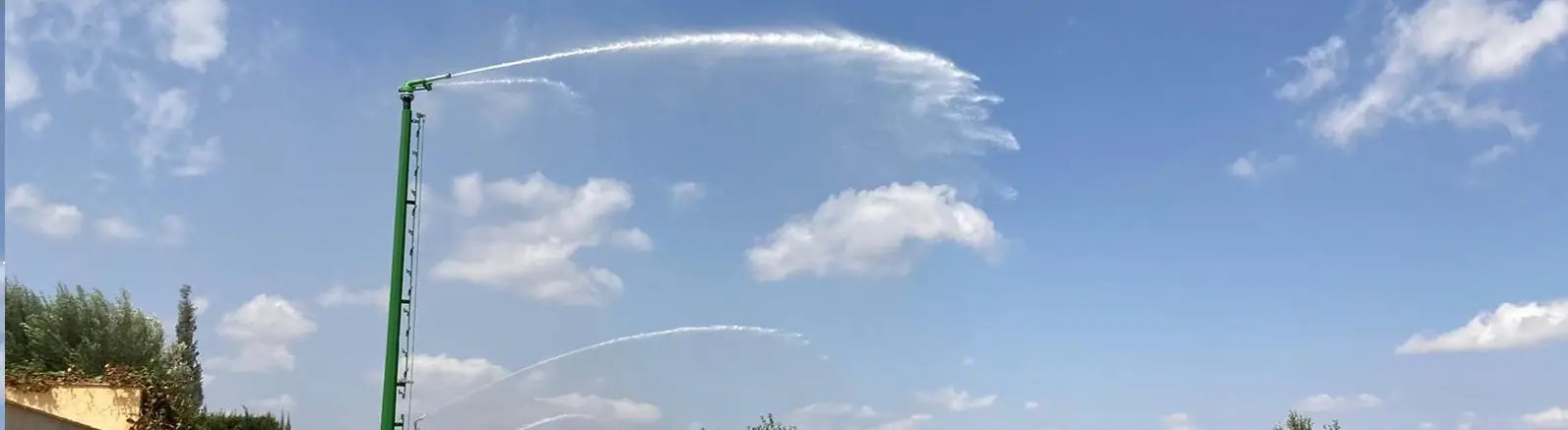
PASTOR, E.1, DALMAU, F.2, ANGUIANO J.3, RUIZ M.4, DEL CAMPO. A.5, HERNÁNDEZ, F.6, GALISTEO, A.7, ADOBES, V.8
1 Centre d’Estudis del Risc Tecnològic, Universitat Politècnica de Catalunya – BarcelonaTech
2 Medi XXI Gabinet de Solucions Ambientals, S.L.
3 HIDRAQUA, Gestión Integral de Aguas de Levante, S.A.
4 Cetaqua, Water Technology Centre
5 Universitat Politècnica de València
6 Water Economics Group. Local Development Institute. University of Valencia
7 Paterna Town Council
8 Riba-roja de Túria Town Council
1. Introduction
Europe is facing a new wildfire context, driven mainly by climate change, with a growing risk of extreme events with fatal consequences in the wildland-urban interface. The European Commission projects that areas at risk of wildfire will increase by 200% in Europe by the end of the 21st century (European Commission, 2018). Furthermore, the growing development of urban areas close to forest land, combined with a lack of risk awareness among the population, is increasing the exposure and vulnerability of communities in interface areas (Wigtil et al., 2016), all of which poses enormous challenges for fire management and civil protection (Pastor et al. 2020).
Over the last five years, Mediterranean Europe has suffered severe fires with catastrophic environmental, social and economic consequences. Among the most devastating wildfires of this period are the fires on the island of Madeira (2016), in which 3 people lost their lives and the flames spread into the old town of the capital, Funchal; the fires in the Valencian Community (2016–2018), most notably the Benitatxell and Llutxent fires, which damaged around 200 homes; the Rognac fire (France, 2016), which threatened the wildland-urban interface and critical infrastructure (e.g. the airport and a petrochemical complex) of Marseille, one of the most populous cities in France; the Pedrógão Grande fire (2017), the deadliest in Portugal’s history, with 66 dead and more than 200 injured; and the Mati fires (Greece, 2018), which killed 102 people and completely destroyed around a thousand homes (Vacca et al, 2020). The overall impact of wildfires in recent years has been extremely high, and aggregate figures are not yet available. As a significant example, the impact for 2017 alone amounted to 1.2 million hectares burned, 127 deaths and €10 billion in economic losses across the European continent (San-Miguel-Ayanz et al, 2018).
This new context calls for integrated fire management that jointly considers socio-economic, environmental and operational aspects in every phase of the emergency: prevention, preparedness, response, impact and restoration. So-called Integrated Fire Management (e.g. Myers, 2006, Sande Silva et al, 2010) (Integrated Fire Management –IFM–) provides this holistic framework, going beyond the classic approach of favouring fire suppression over other strategies. The IFM paradigm integrates, among other actions, i) the development of forest management strategies that include fire prevention as well as the conservation of natural resources, ecosystem services and biodiversity, taking sustainable climate and energy policies into account; ii) raising risk awareness and improving the population’s preparedness for fires; and iii) the co-design and co-implementation of actions with all stakeholders (public administrations, fire services, civil protection agencies, communities, etc.)
The GUARDIAN project is a highly relevant and innovative example of integrated fire management applied at municipal scale. Specifically, its scope covers the municipalities of Riba-roja de Túria and Paterna (Valencian Community), and its ultimate goal is to increase the fire resilience of both municipalities by applying the basic principles on which IFM rests: holistic, sustainable management based on the co-participation of all the stakeholders involved.
Section 2 presents the foundations of the GUARDIAN project, with particular emphasis on the most innovative technical solutions that make up the work programme. Section 3 then discusses the challenges of implementing these solutions, as well as the feasibility and scalability of GUARDIAN to other municipalities at risk of interface fires. Finally, section 4 sets out the lessons learnt to date by way of conclusion.
2. The GUARDIAN project: an example of Integrated Fire Management in the Valencian Community
The peri-urban area of the city of Valencia consists essentially of a cluster of small towns, many of which have a significant interface with forest land. This interface entails a considerable danger of interface fires owing, among other causes, to the abandonment of agriculture and insufficient forest management. In summer this danger becomes an unacceptable risk, with an increase in the local population, weather conditions conducive to the development of wildfires and a very limited capacity for self-protection and firefighting. The municipalities of Riba-roja de Túria and Paterna are a paradigmatic case of this situation (Figure 1). Their urban areas share the protected wildland area of “La Vallesa”, which is part of the Parc Natural del Túria. Between 2000 and 2016 alone, this area suffered 40 wildfires, which are proving increasingly destructive owing to the rapid urban development of the area. As with all interface fires, the impact of fire in Riba-roja de Túria and Paterna may eventually affect not only human lives and homes, but also critical infrastructure (power lines), cause environmental damage (e.g. air quality, erosion, loss of biodiversity) and have a negative economic effect (e.g. impact on the tourism sector).
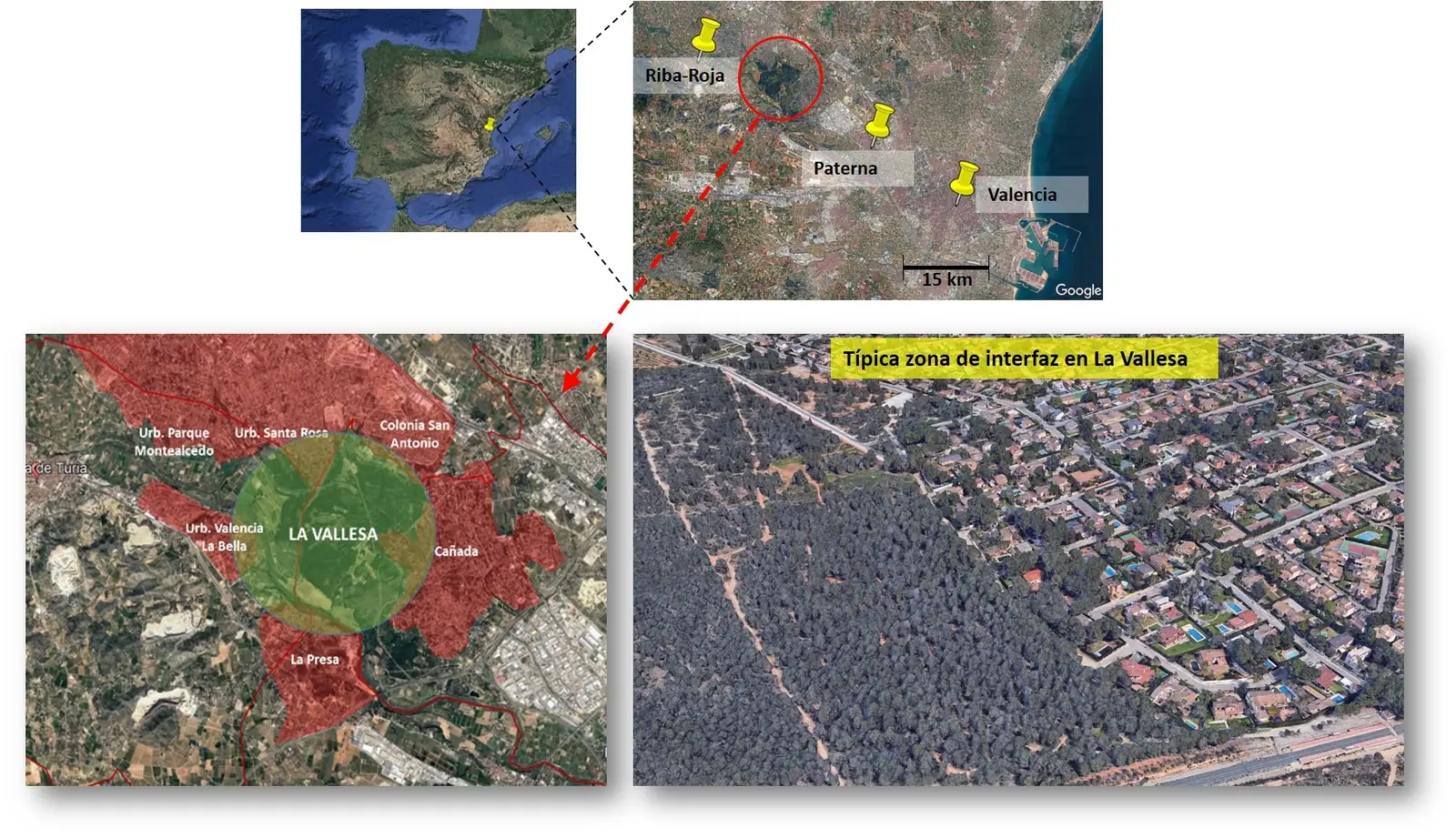
Figure 1. GUARDIAN project implementation area
The GUARDIAN project proposes an innovative IFM strategy to increase fire resilience in the communities of Riba-roja de Túria and Paterna. GUARDIAN is based on a sustainable management model for the natural environment that ensures the protection of the population and its property against wildfires while contributing to the preservation of the Parc Natural del Túria. Thanks to the support of the European Union’s Urban Innovative Actions programme and the coordinated work of all its partners (the town councils of Riba-roja and Paterna, the environmental engineering consultancy MEDI XXI, the local water management company HIDRAQUA, the water technology centre CETAQUA, and the forest research group of the Universitat Politècnica de València and the water economics research group of the Universitat de València), GUARDIAN implements a combined strategy based on the use of reclaimed water for fire prevention and protection with automatic irrigation patterns in the interface, on silvicultural and environmental quality improvement works, and on risk awareness and public education (Figure 2).
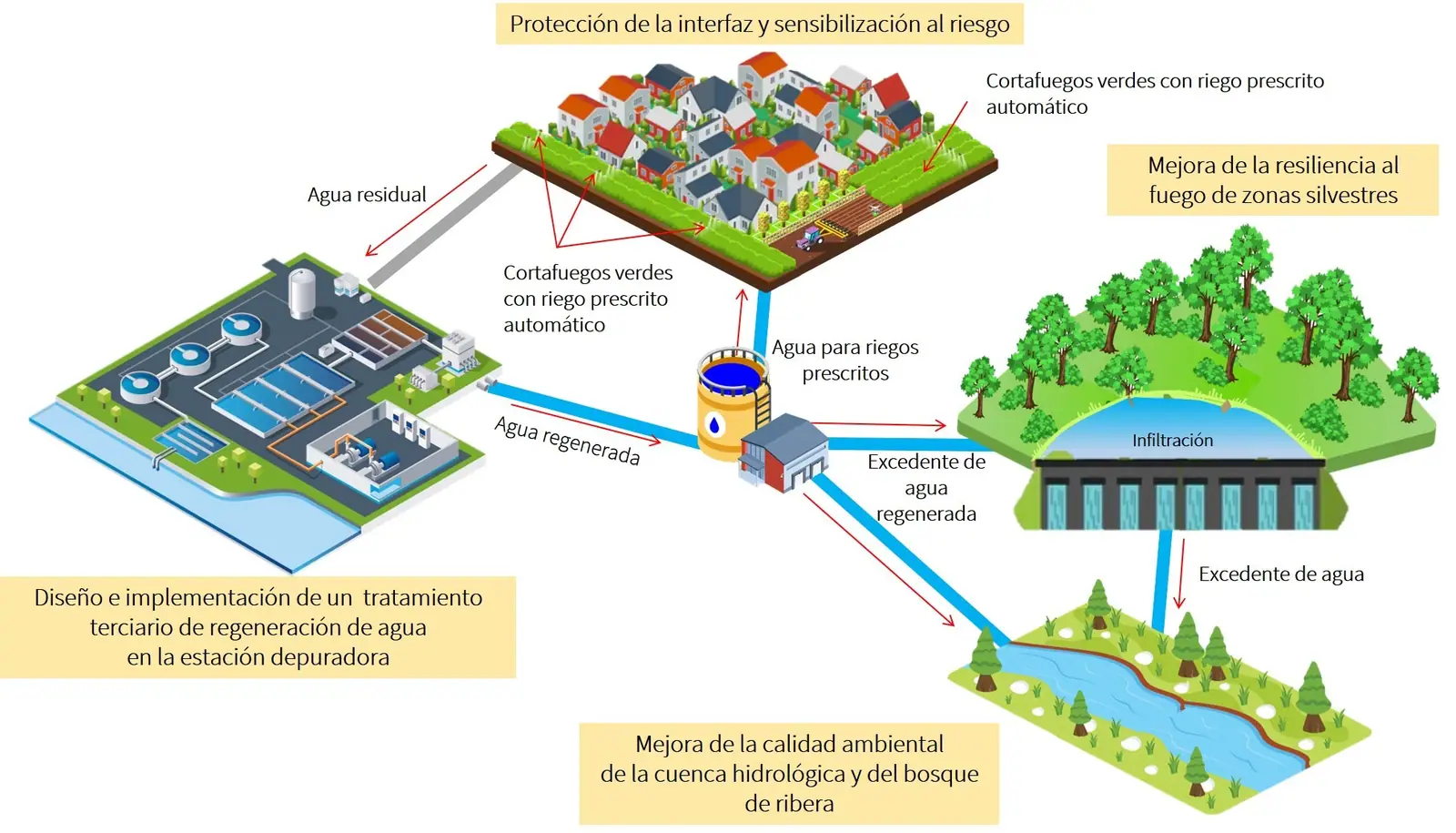
Figure 2. Conceptual design of the GUARDIAN project (adapted from Dalmau, 2020)
The success of the project depends on i) ensuring high performance of the preventive infrastructure designed (the so-called green firebreaks); ii) implementing a circular economy model for the water cycle, using reclaimed water for irrigation; iii) guaranteeing a participatory, co-implementation approach with all the actors involved, especially the population living in the interface; and iv) improving the quality of the ecosystems of the Parc Natural del Túria. The most relevant technical aspects of these four issues are described below.
2.1. Design and implementation of green firebreaks
The main pillar of GUARDIAN’s integrated fire management strategy is the construction of green firebreaks, a fire prevention and protection infrastructure designed to be implemented along certain stretches of the perimeter of the interface areas of the municipalities of Riba-roja de Túria and Paterna. This infrastructure is an innovative solution of sustainable ecohydrological silviculture (del Campo et al., 2017) that combines silvicultural treatments with artificial water inputs delivered through automatically scheduled prescribed irrigation with reclaimed water (Figure 3). Although the technique is new in Europe, there are precedents for green firebreaks (in this case without artificial irrigation) in other parts of the world with wildfire problems (e.g. China and the United States), whose designs and lessons learnt (e.g. St. John and Ogle, 2009; Cui et al, 2019, Wang 2017) serve as the basis for the design of this infrastructure within GUARDIAN.
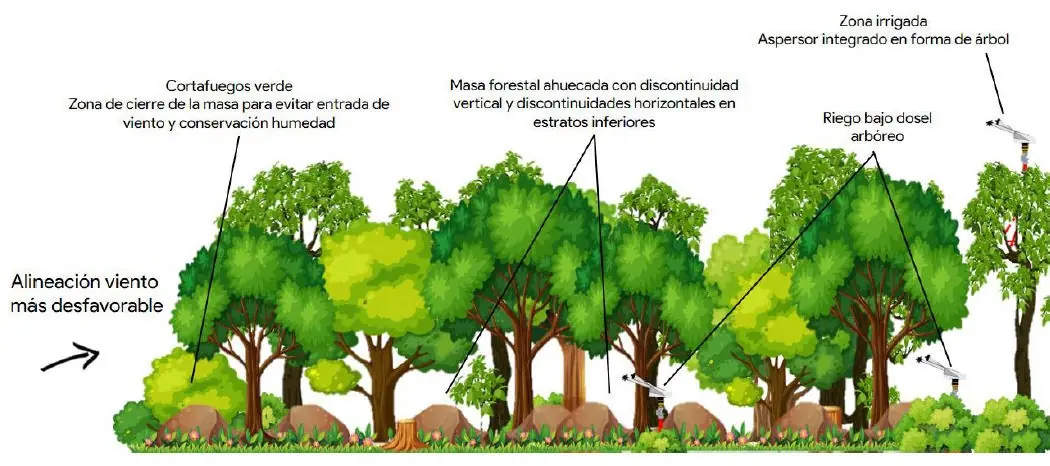
Figure 3. Approximation of the target profile of a green firebreak (Source: Dalmau, 2020).
The actions carried out in GUARDIAN to implement green firebreaks — designed in the project as perimeter defence strips of fire-resilient vegetation, 50–60 m wide, artificially moistened by automated irrigation using water cannons — involve a sequence of multidisciplinary tasks. Firstly, they comprise classic preventive silviculture strategies against fire (i.e. modifying the amount and continuity of fuel within the strip through thinning, brush clearing and pruning), combined with the introduction of highly fire-resilient species (e.g. species with a high capacity to store moisture in their leaves and stems, with a low fuel load and low levels of essential oils, with little tendency to accumulate standing dead vegetation, etc.) and with other, more innovative aspects such as incorporating the wind factor into the design and orientation of the strips. Secondly, they involve landscape engineering, hydraulic engineering and civil engineering tasks for the design, sizing and installation of the water sprinkler network. Finally, there are the actions required to configure and program a sensor network (made up of fire detection equipment, agronomic sensors, and sensors measuring weather and environmental parameters) to control the automatic water sprinkler system, which must respond to the irrigation needs of the firebreak strip. To this end, different irrigation patterns are established depending on their purpose: supplying combat water (during the fire), preventive water (not metabolised, supplied on days of maximum wildfire risk) and structural water (metabolised, supplied to reduce fuel availability in the short and medium term).
Determining when irrigation should start and for how long it is needed (taking into account environmental conditions and the water status of the vegetation) is a scientific task that represents a significant advance on the state of the art. For this purpose, experimental field research has been carried out to quantify the ecohydrological and energy processes between the atmosphere, the trees and the soil in a representative plot of the “La Vallesa” woodland. Upscaling the results to the scale of the whole forest is based on the calibration of environmental models (drought, fire danger, atmosphere), ecophysiological models (water stress/vegetation vigour, structure, fuel models) and hydrological models (soil moisture, transpiration, runoff), adjusted on the basis of the field data and of various ecophysiological parameters indicating the response to irrigation treatments under different environmental conditions (both meteorological and edaphic).
2.2. Hydraulic infrastructure for preventive and suppression irrigation
The water used in GUARDIAN results from adopting a sustainable water cycle management model in the municipalities of Riba-roja de Túria and Paterna based on circular economy concepts. The white paper on water and circular economy (Tahir et al., 2018) sets out the fundamentals of how to link water management and circular economy practices in a context of climate change and widespread water scarcity. Among other actions, it mentions the revaluation and reuse of waste effluents through regeneration treatments as a sustainable alternative to the use of conventional water resources. Following these recommendations, GUARDIAN has developed a technical solution to upgrade the effluent of the “Camp de Túria II” wastewater treatment plant (WWTP) for use as irrigation water for the green firebreaks and for the restoration of the “La Vallesa” pond. The treatment aims to remove so-called organic micropollutants (OMPs). These molecules are undoubtedly of anthropogenic origin (e.g. pesticides, pharmaceuticals, cosmetics, etc.) and are present in surface waters of the Júcar basin owing to the use of insecticides on agricultural crops and to discharges from wastewater treatment plants.
The project has designed and installed a tertiary treatment plant aimed at removing OMPs, consisting of ozonation of the effluent from the “Camp de Túria II” WWTP followed by biofiltration and final chlorination. Ozonation has proven to be an effective, low-cost tool for reducing effluent toxicity, removing most OMPs from the secondary effluents of urban WWTPs (Gomes et al., 2017). The biofiltration units provide an additional barrier to any micropollutants that may have escaped ozonation. Finally, the final chlorination step ensures the complete absence of pathogenic microorganisms.
The treatment capacity of the water regeneration plant (ERA) is 10 m3/h. Continuous operation is expected to produce an estimated 80,000 m3 of reclaimed water per year. This water will be conveyed through a total of 6.5 km of pipelines and five storage tanks (buried or semi-buried) to 40 water cannons installed in different areas of Riba-roja and Paterna (Figure 4). The cannons have a range of 40 m and operate at a flow rate of 800 L/min (Figure 5). During 2021 the civil works for the entire hydraulic infrastructure were completed and commissioning tests were carried out to ensure that the installation operates correctly.
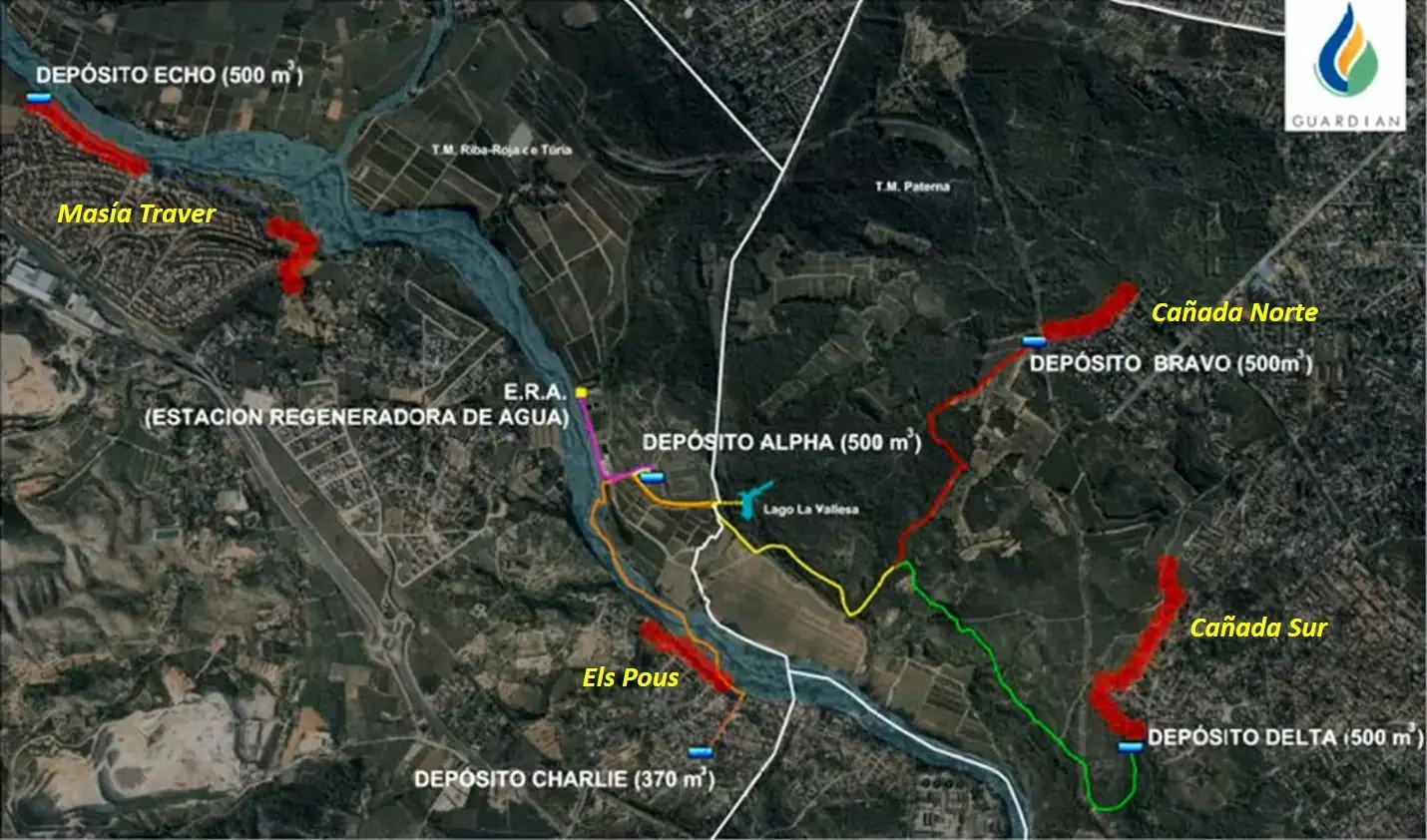
Figure 4. GUARDIAN hydraulic infrastructure. The reclaimed water produced at the ERA is conveyed to the main storage tank “Alpha”, from which it is distributed to three interface areas: “Cañada Norte”, “Cañada Sur” and “Els Pous”. The infrastructure in these three areas consists of water storage tanks (“Bravo”, “Delta” and “Charlie”) and sprinkler cannons with a 40 m range (areas shaded in red in the image). Six cannons are planned in “Cañada Norte” and “Els Pous” and 14 in “Cañada Sur”. In the north-west corner, 14 sprinkler cannons are installed that receive water from the “Echo” storage tank. This tank is supplied with water from an existing irrigation channel.
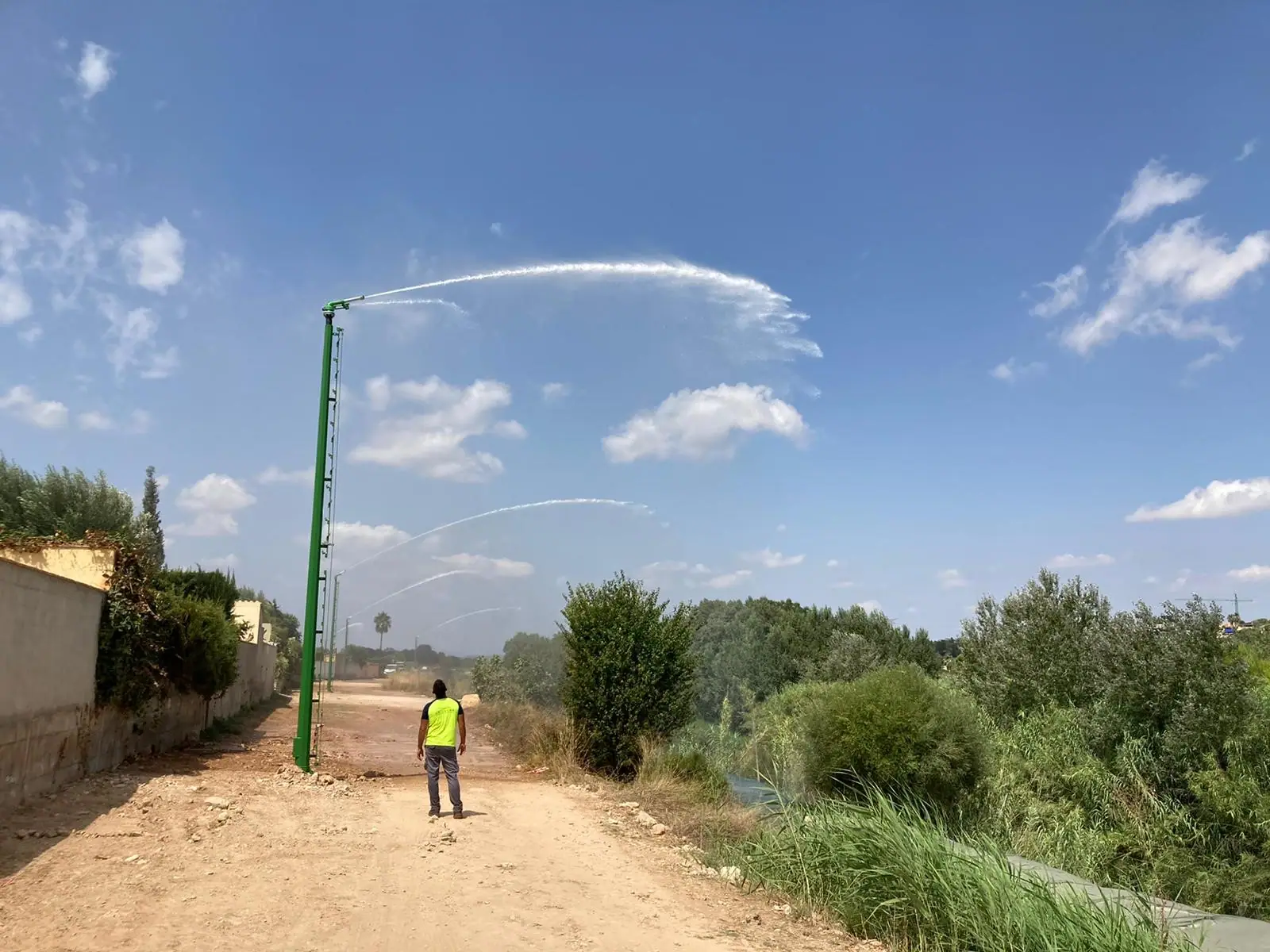
Figure 5. Hydraulic tests of the © SIDEINFO irrigation system installed in the Masía Traver interface area
2.3. Integrated ecosystem improvement
In keeping with its integrated approach, the GUARDIAN project also includes complementary actions to improve the environmental quality and fire resilience of certain vulnerable areas of “La Vallesa” (Figure 6). Firstly, mechanised clearing is planned to remove giant reed stands, as this is a highly flammable invasive species with a large amount of necromass. Thinning is also being carried out in Aleppo pine (Pinus halepensis) regeneration in overstocked areas (6,000–12,000 stems/ha) that regenerated after the 1994 wildfire in the area. The prescribed thinning intensity is designed to reduce density to around 900 stems/ha. In addition, selective brush clearing and pruning are scheduled in specific areas where it is advisable to remove ladder fuels and create discontinuities in the forest stand.
GUARDIAN also includes actions to restore the La Vallesa pond. The works to rehabilitate this site essentially consist of removing excess sludge, supplying reclaimed water to improve the quality of the pond, and repairing and upgrading the whole surrounding area (dam, paths, railings, etc.) to make it a recreational area for visitors.
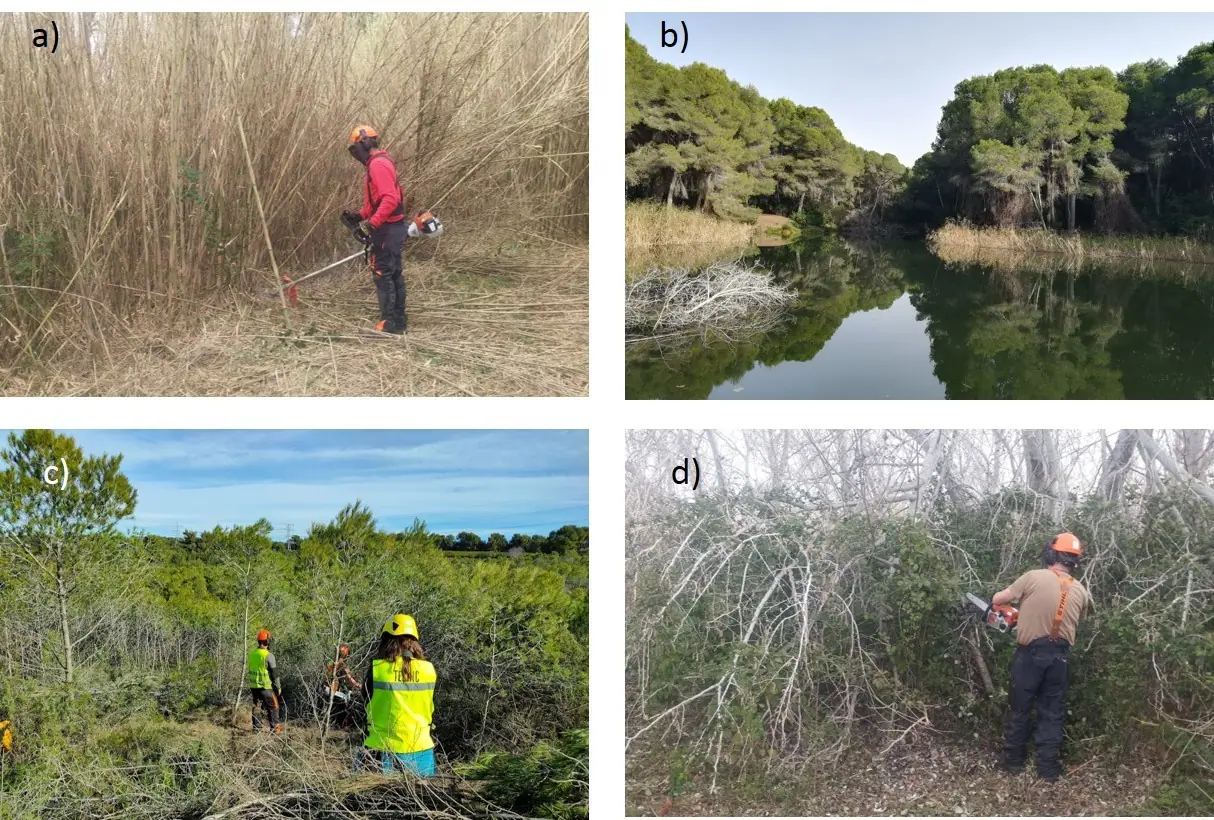
Figure 6. Complementary works to improve resilience and environmental quality in the GUARDIAN project. a) removal of giant reed stands; b) “La Vallesa” pond; c) thinning of Aleppo pine regeneration; d) selective pruning.
2.4. Co-implementation and stakeholder participation
Like any IFM project, GUARDIAN has been designed to involve all stakeholders. Among them, the project has had the support, right from the outset, of the Coordinadora en Defensa de los Bosques del Túria, which brings together 27 different organisations, including residents’ associations, schools, and environmental and cultural organisations. The emergency services (civil protection, police and fire service) are also key actors in the project, with essential involvement in all its phases (design, implementation and operation). The project has also obtained the approval of EPSAR (Entidad Pública de Gestión de Aguas Residuales de la Comunidad Valenciana), which was essential for carrying out the hydraulic infrastructure works, and has attracted the interest of several bodies involved in water management and conservation (e.g. the European water organisations WSSTP (Water Supply and Sanitation Technology Platform) and WRE (Water Reuse Europe)).
As regards the public specifically — perhaps the most relevant end user in GUARDIAN — the project includes, in its implementation phase, a programme of training, awareness-raising and wildfire risk communication for the population of Riba-roja de Túria and Paterna (Figure 7). Aimed at different groups (e.g. schoolchildren, residents of interface areas, people with functional diversity, etc.), the programme covers a range of activities, such as participatory workshops and talks (e.g. on climate change education and on fire resilience in interface areas), visits to GUARDIAN project sites, demonstration activities with prescribed fire and prescribed irrigation, and training in firewise gardening and self-protection.
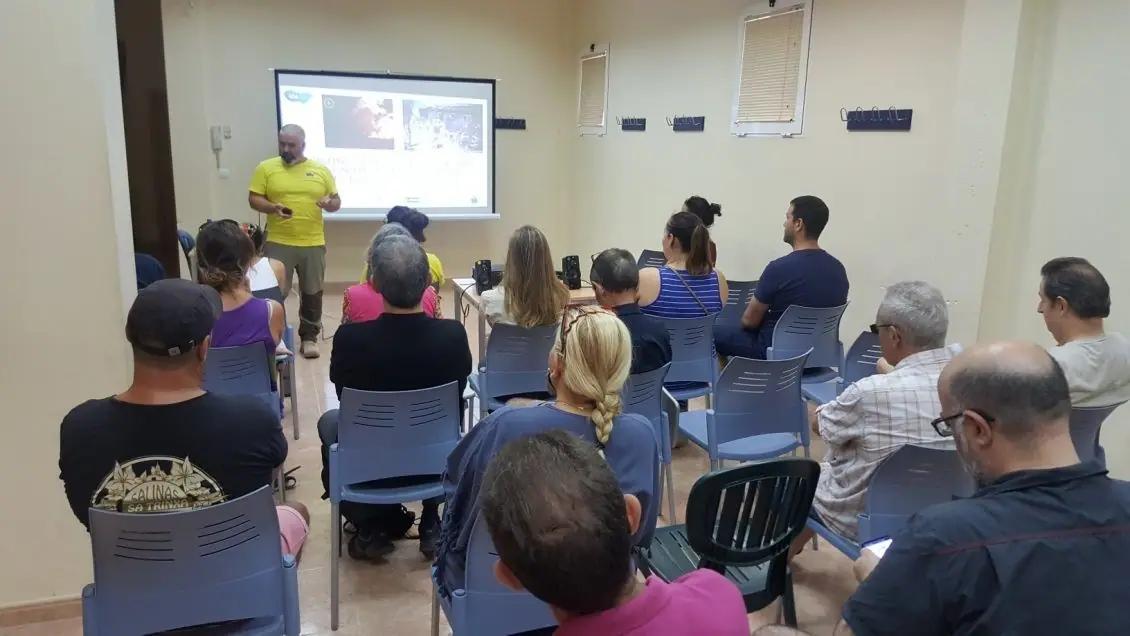
Figure 7. GUARDIAN project information session for interface residents.
3. Discussion
3.1 Main implementation challenges
In public innovation projects with a markedly holistic approach, such as GUARDIAN, implementation challenges arise constantly. These challenges are essentially due to the inherent complexity of integrated, participatory management, to the difficulties of implementing development projects through public-private collaboration, and to the aim of bringing about a significant advance on the state of the art and technology.
On the one hand, it must be borne in mind that implementing and testing original, innovative solutions through a genuinely participatory approach that considers the interconnections between the social, economic and environmental dimensions entails a high degree of risk for urban authorities. However, public administrations in general, and civil servants in particular, operate in an environment where risk aversion is traditionally high. Moreover, public procurement procedures and the process of obtaining permits, with their inherent difficulties and timescales, as well as the financial strain that large-scale projects such as GUARDIAN involve, can significantly compromise the successful implementation of the project. For these reasons, a key prerequisite for innovation projects implemented at municipal scale is positive, proactive and committed leadership throughout the project life cycle, so that hazards can be detected efficiently and corrective measures proposed to overcome them. In GUARDIAN, technical leadership has been in the hands of the Riba-roja municipal engineering team, which has exercised it in exemplary fashion, drawing on the synergies of a cross-cutting, multidisciplinary team that is heterogeneous on several levels: legal (public bodies, universities and private companies), size (large and small companies), organisational, etc. Political leadership and commitment from the local administrations have also been necessary to ensure good dialogue with the public and other stakeholders (regional and national administrations, risk and emergency managers, the media, etc.).
Indeed, the development of strong, trust-based alliances and collaborations between public bodies, the private sector and civil society is widely recognised as the cornerstone of effective sustainable urban development policies (European Union, 2019). Organisations, as well as individuals and end users outside urban authorities, are increasingly willing to contribute to the search for and implementation of new solutions to current societal challenges (von Shomberg, 2013, European Commission, 2013). Urban authorities must therefore harness the collective intelligence of different stakeholders to find new approaches that deliver effective results for environmental and social challenges such as, in this case, wildland-urban interface fires. In this respect, GUARDIAN’s end users are key actors in the implementation process. As already noted, the project was designed with the intention of being co-implemented together with local stakeholders. However, the current pandemic crisis has made this process enormously difficult. The health emergency has obviously restricted personal contact between all the parties involved, which is very necessary for fluid and effective communication. Although it has been possible to carry out some communication and awareness-raising activities and on-site training visits, the participation programme designed in GUARDIAN will necessarily have to be completed during the operational phase of the project.
As for the technical challenges of an innovative project such as GUARDIAN, these have been many and have arisen in different phases of implementation, since innovation and development have been present in many of the tasks that made up the work plan. Among others, these include optimising the operating conditions of the ERA to obtain an effluent of suitable quality for use as irrigation water in interface areas; calculating the irrigation prescription for the green firebreaks according to the environmental conditions, the needs of the vegetation and the water available at any given time; and designing a sensor network that allows the monitoring of external and internal system parameters for fully autonomous operation. In all these cases, the level of innovation and the advance on the state of the art have been considerable and, for this reason, their effectiveness will have to be demonstrated during GUARDIAN’s operational phase.
3.2 Feasibility and scalability of the GUARDIAN project
GUARDIAN has been conceived as an experimental test of a sustainable, integrated fire management solution never before tested in the European Union at real urban scale. The project must meet economic, ecological and social objectives in a sustainable way, taking into account synergies and trade-offs between the different ecosystem services, in circumstances in which climate change adds further complexity, bringing new challenges and threats such as the conservation of carbon sinks, prolonged droughts, new scenarios of more intense and severe fires, etc. (Lagergren and Jönsson, 2017). All this poses major challenges for quantifying the economic feasibility of the project and for designing a monitoring and evaluation process that ensures the sustainability and scalability of GUARDIAN to other interface areas. To address these challenges, GUARDIAN has developed a system of indicators that will be of great help in quantifying the final impact of the project and assessing its implementation in other areas of interest. An essential part of GUARDIAN’s initial operation will be to quantify, for example, the area of natural habitats conserved, the production of reclaimed water, the population benefiting from the wildfire protection measures implemented, the investment, operation and maintenance costs of the structures, and the economic benefits of the ecosystem services delivered by GUARDIAN (biodiversity conservation, water availability, recreational services, natural disaster risk reduction, etc.)
At the outset, GUARDIAN’s scalability potential at European level is estimated to be high, given the large extent of fire-prone interface areas across the whole Mediterranean Basin. In any case, implementing GUARDIAN requires careful parameterisation of the whole system according to the particular circumstances of each area in terms of vegetation, water cycle, weather conditions and expected fire behaviour. The example and the methodologies developed in GUARDIAN will undoubtedly be a very valuable guide for other municipalities wishing to tackle this challenge and implement an integrated wildfire management solution for the benefit of the population and the natural environment.
4. Conclusions
GUARDIAN is an example of an IFM project, based essentially on silvicultural treatments carried out under sustainable forest management guidelines and criteria (fire-preventive, maturity-oriented, ecohydrological and adaptive to climate change), which seeks to limit the intensity and spread of wildfires, improving the resilience of forest stands and helping to create defensible areas for firefighting resources next to urban centres in the interface. Implementing GUARDIAN also involves creating protection areas of high environmental and landscape value around fire-vulnerable areas, enhancing various ecosystem services (e.g. water revaluation, greenhouse gas sequestration, erosion protection, biodiversity maintenance, etc.). The innovation effort involved in its design has been evident and has represented a significant advance on the state of the art and technology in forest science and wildfire risk analysis. Having completed its implementation phase, the success of GUARDIAN in its operational phase will now depend on the involvement, responsibility and support of all the stakeholders, starting with the local administrations and the emergency services, and actively engaging the public as the ultimate beneficiary of GUARDIAN’s impact.
Acknowledgements
This work has been funded by Urban Innovation Actions – European Union (UIA03-338 – GUARDIAN Project).
Bibliography
CUI, X; ALAM, M.A.; PERRY, G.L.W.; PATERSON, A.M.; WYSE, S.V.; CURRAN, T.J; 2019. Green firebreaks as management tool for wildfires: lessons from China. J. Environ. Manage., 233, 329-336.
DALMAU, F.; 2020. D.4.3.1. Diseño de los tratamientos silvícolas. UIA03-338 GUARDIAN. Green Urban Actions for Resilient Fire Defence of the Interface Area. 101 pp.
DEL CAMPO, A.D.; GONZÁLEZ-SANCHIS, M.; LIDÓN, A.; GARCÍA-PRATS, A.; LLULL, C.; BAUTISTA, I.; RUÍZ-PÉREZ, G.; FRANCÉS, F.; 2017. Ecohydrological-based forest management in semi-arid climate. In: KRECEK et al. (eds): Ecosystem services of headwater catchments. pp 45-57. Capital Publishing Company, New Delhi, India.
EUROPEAN COMMISSION, 2013. Options for strengthening responsible research and innovation: report of the Expert Group on the State of Art in Europe on Responsible Research and Innovation. Directorate-General for Research and Innovation. Publications Office, 2013
EUROPEAN COMMISSION, 2018. Directorate-General for Research and Innovation, Vallejo Calzada, V., Cardoso Castro Rego, F., Moreno Rodríguez, J., et al., Forest fires: sparking firesmart policies in the EU, Faivre, N.(ed.), Publications Office.
EUROPEAN UNION, 2019. Urban agenda for the EU. Multi-level governance in action. European Commission. Directorate–General for Regional and Urban Policy. 38 pp.
GOMES, J.; COSTA, R.; QUINTA-FERRERIA, R.M.; MARTINS, R.C.; 2017. Application of ozonation for pharmaceuticals and personal care products removal from water. Sci. Total Environ. 586, 265–283.
MYERS, R.L.; 2006. Living with fire – sustaining ecosystems and livelihoods through integrated fire management. The nature conservancy, Global Fire Initiative; 36 p.
PASTOR, E.; MUÑOZ, J.A.; CABALLERO, D.; ÀGUEDA, A.; DALMAU, F.; PLANAS, E.; 2020. Wildland-Urban Interface Fires in Spain: Summary of the Policy Framework and Recommendations for Improvement, Fire Technol. 56, 1831-1851.
SANDE SILVA, J.; REGO, F.; FERNANDES, P.; RIGOLET, E.; 2010. Towards Integrated Fire Management – Outcomes of the European Project Fire Paradox. European Forest Research Institute Report 23. EFI Joensuu, Finland.
SAN-MIGUEL-AYANZ, J.; DURRANT, T.; BOCA, R.; LIBERTÀ, G.; BRANCO, A.; DE RIGO, D.; FERRARI, D.; MAIANTI P.; ARTES VIVANCOS, T.; COSTA, H.; LANA, F.; LÖFFER, P.; NUIJTEN D.; LERAY, T.; AHLGREN, A.C.; 2018. Forest fires in Europe, Middle East and North Africa 2017, Publications Office of the European Union.
ST JOHN, L.; OGLE, D.; 2009. Green strips or vegetative fuel breaks. TN Plant Materials No. 16. USDA – Natural Resources Conservation Service, 16 pp.
TAHIR, S.; STEICHEN, T.; SHOULER, M.; 2018. Water and circular economy: A white paper. Cowes, UK: Ellen MacArthur Foundation, Arup, Antea Group.
VACCA, P.; CABALLERO, D.; PASTOR, E.; PLANAS, E.; 2020. WUI fire risk mitigation in Europe: A performance-based design approach at home-owner level. J. Saf Sci and Res., 1, 97-2015.
VON SHOMBERG, R.; 2013. A vision of Responsible Research and Innovation. In: OWEN, R., BESSANT, J., HEINTZ, M (eds.): Responsible Innovation: Managing the Responsible Emergence of Science and Innovation in Society. pp. 51–74. John Wiley & Sons.
WANG, X.; 2017. Projected changes in daily fire spread across Canada over the next century. Environ. Res. Lett.12, 025005
WIGTIL, G.; HAMMER, R.B.; KLINE, J.D.; MOCKRIN, M.H.; STEWART, S.I.; ROPER, D.; RADELOFF, V.C.; 2016. Places where wildfire potential and social vulnerability coincide in the coterminous United States. Int. J. Wildland Fire 25(8), 896-908
LAGERGREN, F.; JÖNSSON, A.M.; 2017. Ecosystem model analysis of multi-use forestry in a changing climate. Ecosyst. Serv., 26, 209-224.
A replicable solution
GUARDIAN shows that reclaimed water can protect the wildland-urban interface. Let us know if you would like to apply it in your municipality.